 CORNERFLICK
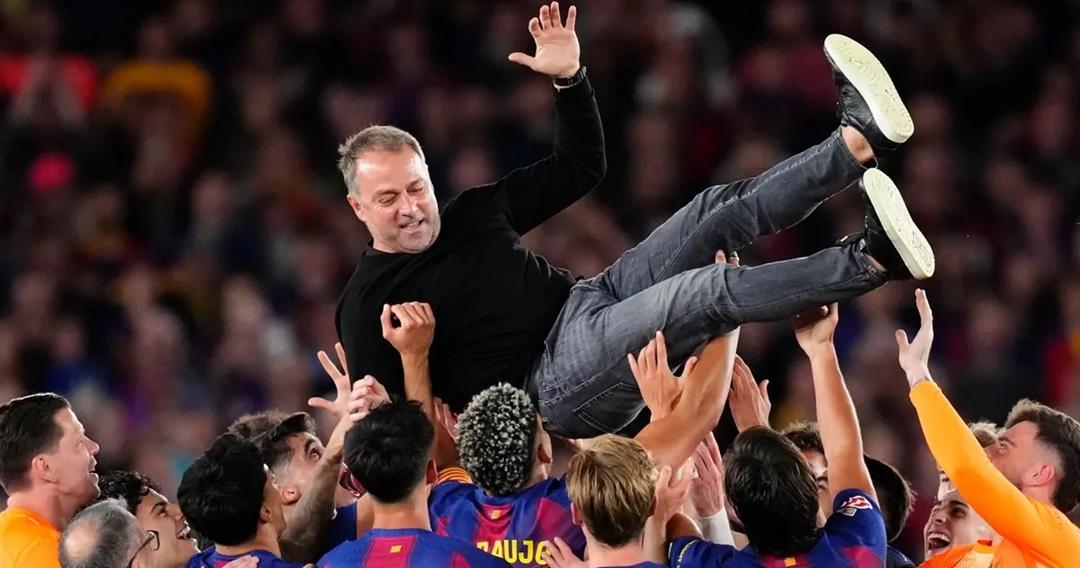
One moment in Barcelona’s 4–1 win over Sabah drew as much attention as any of their four goals. When the Azerbaijani side scored, Hansi Flick kicked the ball and threw his jacket towards the bench.
Barcelona won by three goals that night in the Champions League, but Flick’s reaction showed how much conceding even once bothered him. His side’s defensive record helps explain the frustration.
Since taking charge in the summer of 2024, Flick has overseen 135 competitive matches. Barcelona have kept 45 clean sheets and conceded at least once in the other 90. For every game in which they have kept the opposition out, there have been two in which they have let a goal in.
Wins have masked Barça’s defensive frailties
At the end of October, Flick recorded his 100th win as Barcelona head coach in his 131st game. Only one coach in the club’s history has reached the milestone in fewer matches. Barça’s firepower has played a major part in that record, often allowing them to make up for defensive mistakes by scoring at the other end.
The pattern has continued this season. Barcelona have conceded 19 goals in 18 competitive matches, keeping just five clean sheets. They have conceded in 13 of those games, leaving their clean-sheet rate at just under 28 per cent, down from around 33 per cent across Flick’s tenure.
The space behind Barcelona’s defence
Part of the problem stems from the way Barcelona attack. When they press to win the ball back in the opposition half, their defensive line pushes up with them. Regaining possession that high up the pitch puts them within striking distance of goal, allowing them to create chances quickly. When opponents play through the press, though, their forwards have plenty of space to run into behind Barça’s back line.
With key domestic and European fixtures approaching, Flick’s challenge lies in how his side react the moment they lose possession. Four goals against Sabah gave Barcelona room for error. Stronger opponents may offer their forwards fewer chances. In a tight game, how well Barça’s defenders work together when the press is broken could matter as much as the quality of their finishing at the other end.