 CORNERFLICK
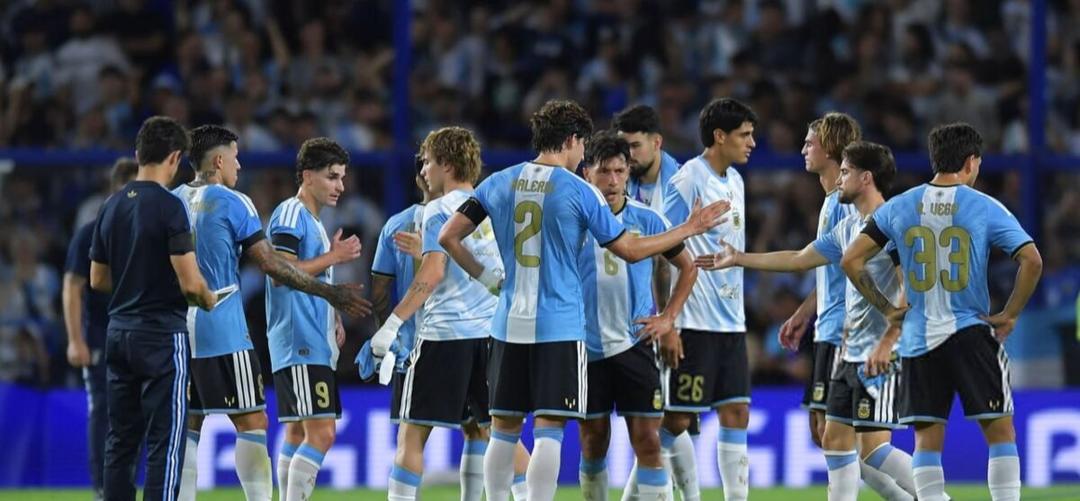
Argentina's first match of the post-Lionel Messi era ended in a disappointing 2–1 defeat to Uruguay, but the result was not the only cause for concern. The sight of thousands of empty seats at La Bombonera raised troubling questions about the national team's appeal without its greatest icon. Messi's absence was felt not only on the pitch but also in the stands, suggesting that Argentina may be entering a challenging new chapter both competitively and commercially.
According to Corner Flick, Lionel Scaloni's Argentina suffered defeat against Uruguay in their first international appearance since Messi's retirement, marking a frustrating beginning to life without their legendary captain.
Despite enjoying periods of dominance and creating several promising opportunities, Argentina were undone by two unexpected second-half goals, leaving the Albiceleste to reflect on a painful opening chapter in their new era. Empty Seats at La Bombonera: Messi Was More Than Just a Player Perhaps the most striking image of the evening came not from the pitch but from the stands.
La Bombonera, one of world football's most iconic stadiums and a venue renowned for its electrifying atmosphere, was less than half full for Argentina's first match without Messi.
High ticket prices have been cited as a major factor behind the disappointing attendance. However, the absence of the eight-time Ballon d'Or winner has also raised serious questions about the national team's commercial appeal and its ability to attract supporters without its most recognisable figure.
For nearly two decades, Messi's presence was enough to generate extraordinary interest wherever Argentina played.
His ability to fill stadiums, attract global audiences and inspire generations of supporters extended far beyond his achievements on the pitch.
Now, the Argentine Football Association faces a new challenge: maintaining that level of enthusiasm among fans who can no longer watch their beloved No. 10 produce moments of magic in the national shirt. Argentina Without Their Leader: Uruguay Deliver a Painful Reality Check On the pitch, Scaloni's players attempted to remain faithful to the tactical identity that had brought Argentina so much success.
They enjoyed spells of possession, created opportunities and applied pressure on Uruguay's defensive line.
Yet Messi's absence appeared particularly significant in decisive moments, when Argentina lacked the creativity and composure that their former captain had so often provided.
Uruguay, managed by Diego Forlán, made the most of their limited opportunities.
The visitors took the lead when Leonardo Balerdi inadvertently turned the ball into his own net after a clearance struck him inside the penalty area.
Maxi Araújo then doubled Uruguay's advantage with an unexpected effort, leaving Argentina facing a two-goal deficit.
Julián Álvarez pulled one back for the hosts, but despite their attempts to mount a comeback, the Albiceleste were unable to find an equaliser.
The defeat highlighted a harsh reality: Argentina may still possess considerable talent, but replacing Messi's influence will require far more than tactical adjustments. Who Can Fill the Void Left by Lionel Messi? Among Argentina's players, Julián Álvarez emerged as one of the standout performers, displaying relentless energy, attacking movement and determination throughout the contest.
The forward's goal offered a reminder that Argentina still have players capable of making a decisive impact at international level.
Nico Paz also provided encouraging glimpses of his technical ability, suggesting that he could become an important figure in the national team's attacking structure in the years ahead.
However, replacing Messi is not simply a matter of identifying another goalscorer or creative midfielder.
Argentina have lost a player who represented much more than individual brilliance.
Messi was their captain, their creative heartbeat and the defining figure of a golden generation that delivered international glory.
His influence extended into the dressing room, where his leadership, experience and ability to inspire teammates were central to Argentina's success.
For Scaloni, the challenge is therefore as much psychological as it is tactical.
The manager must establish a new hierarchy, develop fresh attacking combinations and ensure that Argentina's identity is no longer built around the presence of one extraordinary individual. A New Era, but Can Argentina Rediscover Their Magic? A single defeat against Uruguay is hardly enough to suggest that Argentina's era of international success has come to an end.
The squad still possesses significant quality, and Scaloni has already demonstrated his ability to build a competitive and resilient team.
Nevertheless, the combination of a disappointing result and an unusually subdued atmosphere at La Bombonera should serve as a warning.
For years, Messi provided Argentina with both a competitive advantage and an almost unmatched emotional connection with supporters.
Without him, the national team must find new ways to win matches, inspire confidence and capture the imagination of its fans.
Scaloni's greatest challenge may not simply be rebuilding Argentina into a winning team. It may be convincing an entire footballing nation that the magic can continue without Lionel Messi — and bringing the crowds back to witness it.