 CORNERFLICK
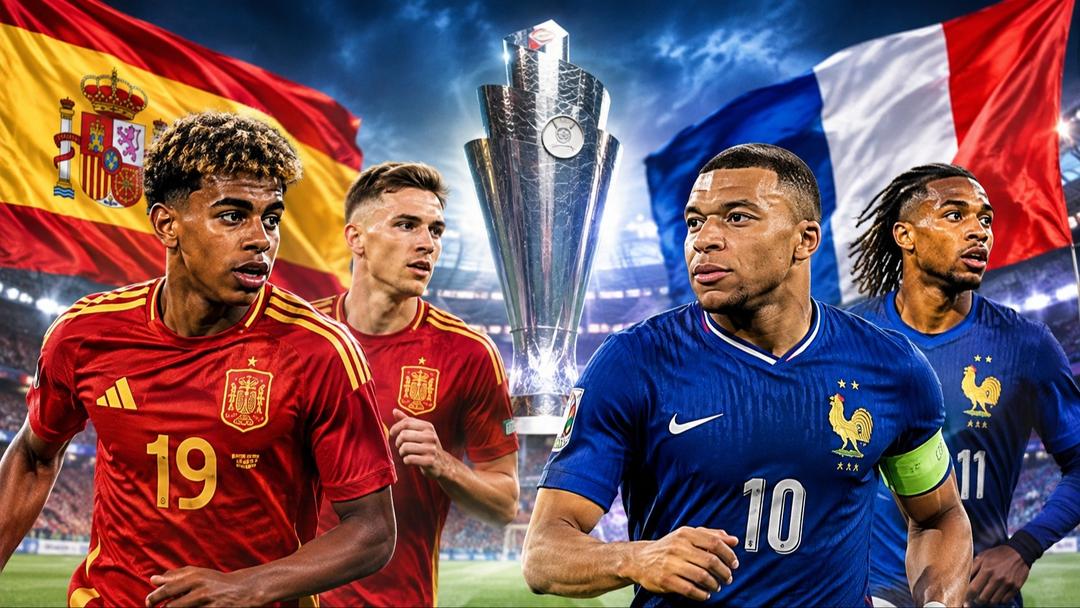
The draw for the 2026–27 UEFA Nations League quarter-finals has produced one of the most compelling matchups European football has to offer, with Spain and France set to lock horns for a place in the final four. This is far more than a battle for progression. It is a meeting of two footballing philosophies, two generations of elite talent and two nations determined to reaffirm their status among Europe's leading powers.
Spain, who had enjoyed an almost flawless campaign heading into the final round of the group stage, surrendered top spot following a defeat to England. That slip has come at a considerable cost, leaving La Roja facing France much earlier than they would have hoped. It is another reminder of how fine the margins can be at the highest level of international football, where a single result can dramatically alter the road to glory.
France, meanwhile, have experienced a more turbulent but equally intriguing campaign under the management of Zinedine Zidane. Les Bleus remained unbeaten across their opening four matches before a defeat against Italy cost them first place. However, a victory over Turkey restored them to the summit. Michael Olise emerged as one of France's standout performers in the group stage, recording five goals and two assists. His attacking influence could prove crucial against Spain's technically gifted defensive structure.
Spain's greatest strength remains their possession-based approach, built around quick passing combinations, intelligent movement and the ability to create openings in the tightest of spaces. Lamine Yamal, with four goals and two assists in five appearances, once again demonstrated why he is regarded as one of the most dangerous young talents in world football. Dani Olmo and Mikel Merino also provide creativity, tactical intelligence and an important goal threat from midfield.
The tactical battle promises to be particularly fascinating. Spain are likely to dominate possession and attempt to dictate the tempo, while France could look to exploit their pace in transition, individual attacking quality and the spaces left behind by Spain's advancing defenders. Control of midfield and the ability to switch quickly between defensive and attacking phases could ultimately prove decisive.
The quarter-final draw, however, has produced several other heavyweight encounters. The Netherlands will face defending champions Portugal in another high-profile tie, while Germany and Belgium are set for a demanding contest. England, meanwhile, will take on Norway, who secured their place in the last eight thanks to Erling Haaland's late heroics in the final round of group matches.
The quarter-final ties are scheduled to take place over two legs in March 2027, with the winners advancing to the Nations League Finals. The winner of the Spain-France encounter will face the victor of the Portugal-Netherlands tie in the semi-finals, setting up the possibility of another heavyweight clash on the road to the trophy.
Ultimately, this draw has underlined just how difficult the path to Nations League glory will be. For Spain, the tie represents an opportunity to put their group-stage setback behind them and showcase the strength of their emerging generation. For France, it is a chance to demonstrate the progress of Zidane's project and establish themselves as genuine contenders for the title.
It may still be too early to call a winner, but one thing is certain: European football fans can look forward to one of the most eagerly anticipated international showdowns of 2027.