 CORNERFLICK
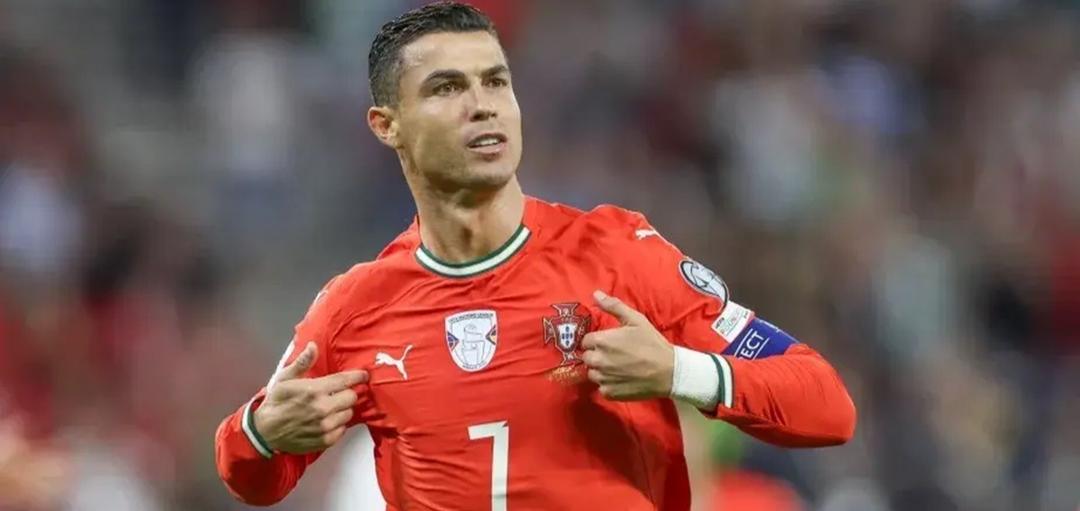
After 23 years with Cristiano Ronaldo at the heart of the national team, Portugal are entering a new chapter in their footballing history. A new generation of Portuguese stars must now carry the nation forward without arguably the greatest player the country has ever produced. The upcoming clash with Denmark will provide Portugal with their first major test of the post-Ronaldo era.
After more than two decades of relying on Cristiano Ronaldo, Portuguese football is facing a new reality. The retirement of a superstar who defined an entire generation marks not only the end of a historic era but also an opportunity for a new wave of talent to emerge.
Ronaldo made his international debut in 2003 at the age of 18 and went on to establish Portugal as one of the leading forces in world football during his remarkable 23-year international career.
Winning UEFA Euro 2016 and the UEFA Nations League titles in 2019 and 2025 stand among his greatest achievements in a Portugal shirt.
Ronaldo's Unforgettable Legacy with Portugal
Cristiano Ronaldo brought his international career to a close with a record 234 appearances and 146 goals for Portugal, establishing himself as the country's most-capped player and all-time leading scorer.
With 985 career goals to his name, the Portuguese icon leaves behind an extraordinary legacy that will be almost impossible to replicate.
His retirement prompted widespread tributes from political leaders and senior football officials across Portugal.
Pedro Proença, president of the Portuguese Football Federation, described Ronaldo as far more than a footballer, praising his extraordinary contribution to raising Portugal's profile on the global stage.
Senior government figures also paid tribute to the former national team captain, acknowledging his achievements, dedication and lasting influence on Portuguese sport.
In a symbolic gesture of appreciation, Portugal's players are reportedly planning to wear Ronaldo's iconic No. 7 shirt ahead of their encounter with Denmark.
Portugal's Next Generation Ready to Step Up
Despite concerns over Ronaldo's absence, there have already been encouraging signs that Portugal can thrive without their long-serving talisman.
In their previous meeting with Denmark, Portugal's younger players demonstrated a faster, more dynamic and attack-minded approach, with greater emphasis on collective movement and teamwork.
Vitinha emerged as a commanding presence in midfield, while Bruno Fernandes assumed greater responsibility in orchestrating Portugal's attacking play.
Gonçalo Ramos also made a significant impact, contributing a goal and an assist to underline his credentials as a leading attacking option.
Meanwhile, João Félix, João Neves and Nuno Mendes are among those expected to take on increasingly influential roles as Portugal reshape their national team for the future.
Their development could prove crucial in maintaining the country's competitive edge at the highest level.
What Does the Future Hold for Portugal Without Ronaldo?
Head coach Jorge Jesus has turned to a new generation of promising players as he looks to rebuild Portugal's squad.
Young talents such as Gustavo Varela, Rodrigo Mora, Geovany Quenda and Mateus Fernandes are among those being entrusted with helping shape the national team's next chapter.
The biggest challenge now facing Portugal is preserving their winning mentality and competitive identity without depending on a single global superstar.
Ronaldo's influence extended far beyond his goals and individual records. His leadership, relentless ambition and ability to deliver on the biggest occasions helped transform Portugal into a genuine contender for major international honours.
Replacing that influence will require more than finding another prolific goalscorer. It will demand a collective response from a talented generation eager to establish its own identity.
If Portugal's emerging stars can combine their individual quality with tactical discipline and team cohesion, Ronaldo's departure may ultimately represent not the end of a golden age, but the beginning of another successful chapter in Portuguese football.
The Ronaldo era may be over, but Portugal's ambitions remain as strong as ever.