 CORNERFLICK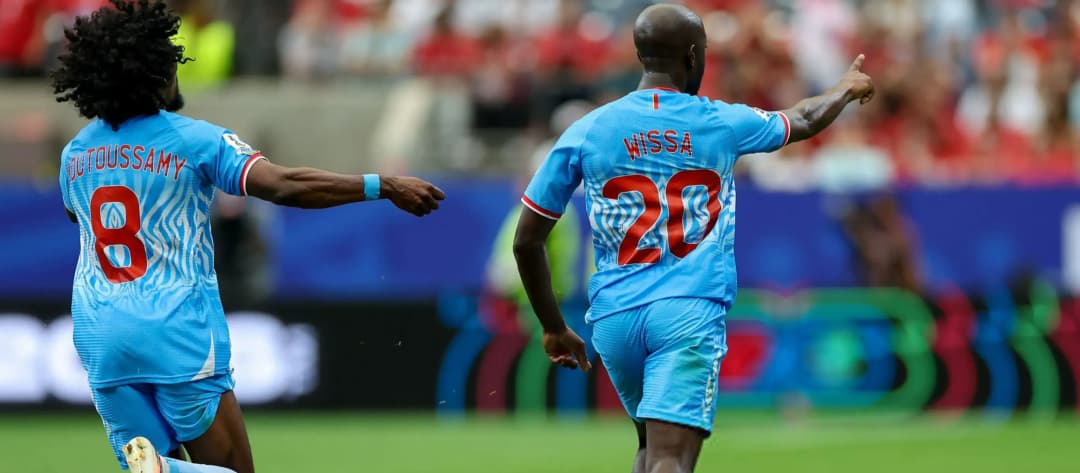
The 2026 World Cup can justifiably be called the “tournament of migrants.” For the first time in the history of the competition, nearly a quarter of all players — 289 out of 1,248 — have represented a country other than the one in which they were born. The trend, shaped by decades of migration and changes to FIFA eligibility rules, has become one of the most debated features of this tournament, bringing with it a range of political and social overtones.
Which teams have the most foreign-born players? According to the final squad lists, Curaçao leads the tournament in this category, with 25 of its 26 players born in the Netherlands. It is followed by the Democratic Republic of Congo, which has 20 foreign-born players, most of them born in France and Belgium.
Morocco ranks third with 19 foreign-born players, mainly from Spain and the Netherlands. Bosnia and Herzegovina, with 17 such players, is the most prominent European side in this respect, while Algeria and Haiti, each with 16 foreign-born players, come next.
By contrast, only eight of the 48 participating teams — including South Africa, Brazil and Sweden — have no foreign-born players at all.
France’s migrant players: a major exporter of talent Another striking figure is the 98 players born in France who are representing other national teams at this World Cup. That total exceeds the size of France’s own squad and underlines how players developed in French academies are increasingly wearing the colors of other countries.
Senegal, for example, is no exception, with 10 French-born players in its squad. The phenomenon reflects a broader shift in the meaning of national football, where geography is giving way to ancestry, identity and personal affiliation.
A battle over identity: the Netherlands versus Morocco Morocco’s knockout-stage meeting with the Netherlands in Monterrey was more than just a football match. It stood as a symbol of deeper changes in modern football and the reality of dual identities. Morocco, with 19 foreign-born players — including several born and raised in the Netherlands — faced the national team of the country in which many of them had developed as footballers.
Hakim Ziyech, who was born in the Netherlands and spent his formative years there, has become a symbol of that shift through his decision to represent Morocco. Explaining his choice, he said: “I have always felt Moroccan. You choose with your heart.”
That change in outlook is also the result of Morocco’s long-term investment in recruiting dual-national players through extensive scouting networks across Europe. The trend shows that national identity in modern football is fluid and complex, no longer defined solely by geography.
Legal disputes: Nigeria and Congo Nigeria’s complaint over Congo’s alleged use of ineligible players has added a compelling legal dimension to the issue. According to Nigeria, Congo fielded players who, under the country’s own laws, are not permitted to hold dual nationality, and FIFA was misled in the process.
The case, which could have affected Congo’s place at the World Cup, highlights the importance of strict compliance with nationality rules in the modern game.
The 2026 World Cup has, in many ways, become a mirror of the modern world — a world in which national borders are increasingly blurred and identities increasingly intertwined.
While the phenomenon of a “migrant World Cup” has brought political and legal controversy, it has also created a rare opportunity to rethink the meaning of nationality in sport. This transformation has turned football from a purely sporting contest into a stage for cultural and identity-driven debate, where the choice of a national shirt is, above all, a story of belonging and personal identity.