








GK
 CORNERFLICK
Group B
| Pos | Team | P | W | D | L | GD | Pts |
|---|---|---|---|---|---|---|---|
| 1 |  Switzerland Switzerland | 3 | 2 | 1 | 0 | +4 | 7 |
| 2 |  Canada Canada | 3 | 1 | 1 | 1 | +5 | 4 |
| 3 |  Bosnia & Herzegovina Bosnia & Herzegovina | 3 | 1 | 1 | 1 | -1 | 4 |
| 4 |  Qatar Qatar | 3 | 0 | 1 | 2 | -8 | 1 |

// the campaign
// unavailable
Bosnia and Herzegovina has existed as an independent country only since 1992, and football has been one of its proudest unifying forces. The Dragons reached their first World Cup in 2014 — and now they're back.
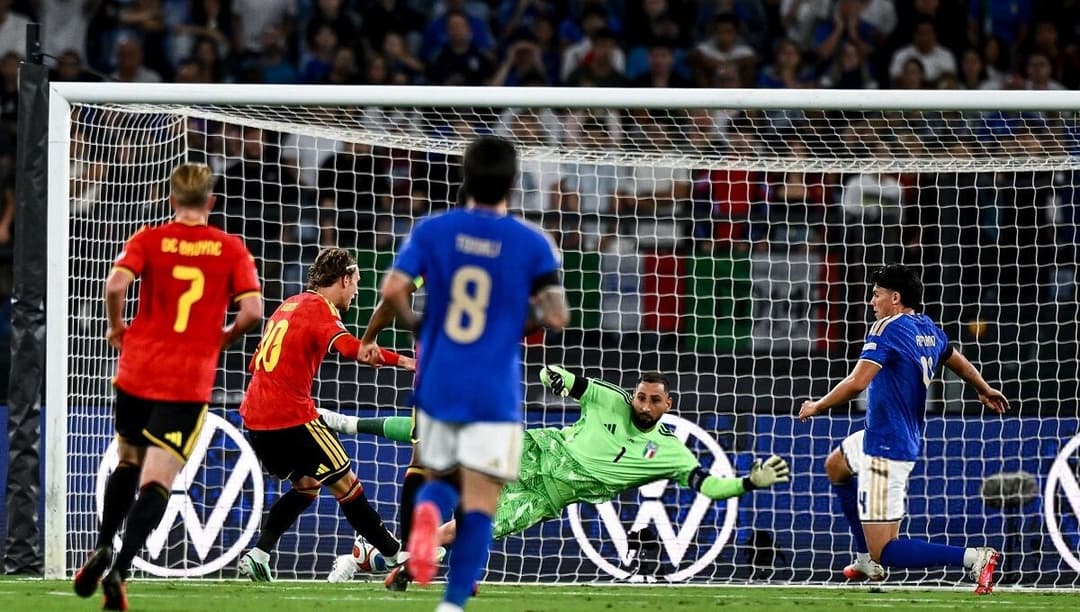
From a country still rebuilding after the 1990s, Bosnia produced a golden generation — Edin Džeko, Miralem Pjanić, Asmir Begović — that qualified for the 2014 World Cup, beating its first opponent and announcing the Dragons to the world.
That debut ended in the group stage, and a decade of near-misses followed. Now, under former international Sergej Barbarez, an experienced core blended with fresh talent has dragged Bosnia back. A second World Cup is itself a triumph for a nation this young.
No silverware — but a proud footballing identity and a hard-won return to the global stage.
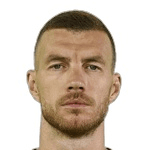
He rose from war-scarred Sarajevo to score goals across Europe's biggest leagues — a Premier League title with Manchester City, prolific years at Roma, and the captaincy of his country.
Edin Džeko is Bosnia's all-time top scorer by a country mile and the face of the golden generation that gave a young nation its first World Cup.
Now in the twilight of a remarkable career, he leads the Dragons to a second World Cup — a final chapter for the greatest player Bosnia has produced.
Group B is balanced — Canada, Switzerland, Qatar. Bosnia's enemy is the memory of 2014, when a debut full of promise ended in a group exit despite a famous moment.
Bosnia is experienced, organised and dangerous on the counter. In an open group, a first-ever knockout appearance is genuinely within reach.
The tournament regulars — the toughest opponent in the group.
The co-hosts — a tricky opener in Toronto.
The Asian champions — a likely Matchday 3 decider in Seattle.
At 40, in what is surely his final World Cup, Edin Džeko is still the focal point. Bosnia's whole tournament hinges on whether the great striker has one more campaign in him.
From besieged Sarajevo to a Premier League title, his career mirrors his country's resilience. “One last World Cup for the Dragon-in-chief.”
Džeko is the soul, but Ermedin Demirović is the future of Bosnia's attack — a powerful, mobile Bundesliga forward who shares the scoring burden and offers the legs the veteran no longer has. As the golden generation fades, he is the player Bosnia's next era is built around. The bridge from Džeko to whatever comes next.
A nation barely thirty years old.
And it keeps reaching the world.

Added